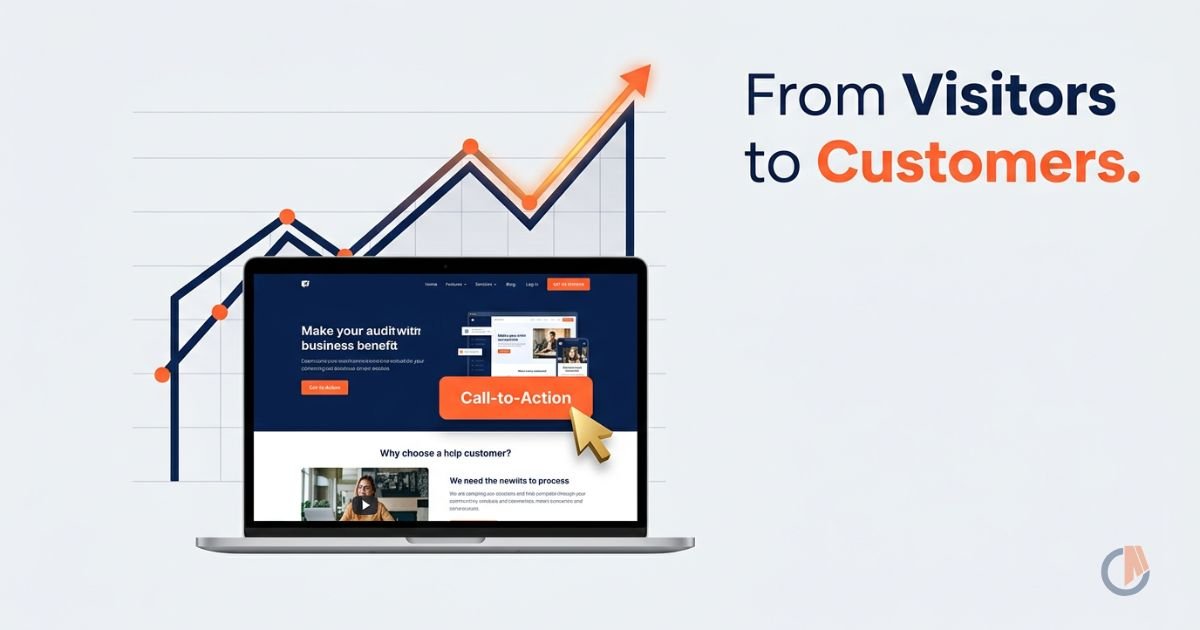
Getting people to visit your website is one thing. Turning those visitors into actual customers is a completely different challenge.
Many SMEs invest time and effort into bringing traffic to their website. They run ads, post on social media, and try different marketing tactics. But when visitors arrive, nothing much happens. They browse for a while, then leave without taking action.
This is where conversion comes in.
A high-converting website is not about luck or design alone. It is built on a clear strategy that combines psychology, messaging, and structure. When these elements work together, your website becomes more than just an online presence. It becomes a tool that actively supports your business growth.
Let’s take a closer look at what makes that happen.
Understanding How Visitors Think
Before talking about design or content, it helps to understand how people behave when they land on a website.
Visitors do not read everything carefully. They scan. They look for quick signals to decide whether your website is relevant to them.
Within a few seconds, they are trying to answer three simple questions.
What does this business do?
Is this relevant to me?
Can I trust them?
If your website does not answer these questions quickly, visitors will leave without exploring further. This is why conversion psychology matters. It is about understanding what people need to see and feel before they are willing to take the next step.
Clarity, trust, and ease play a big role here. The easier it is for someone to understand your value and feel confident in your business, the more likely they are to stay and engage.
Messaging That Connects, Not Confuses
One of the biggest factors that affects conversion is messaging.
Many websites try to sound professional, but end up sounding vague. They use general phrases that could apply to almost any business, which makes it harder for visitors to understand what makes them different.
Strong messaging does the opposite. It speaks directly to the customer’s situation. Instead of focusing only on what the business offers, it focuses on what the customer needs and how those needs are solved.
For example, instead of listing services in a generic way, a high-converting website explains the outcome. It shows how the service helps the customer achieve something meaningful.
Simple and clear language is key. When visitors can quickly understand what you offer and why it matters, they are more likely to continue exploring your website.
Structure That Guides, Not Overwhelms
Even with good messaging, a website can still struggle if the structure is not clear.
Structure is how information is organised on your website. It shapes the experience for your visitors.
A high-converting website is designed to guide people step by step. It does not overwhelm them with too much information at once. Instead, it introduces key ideas in a logical flow.
Typically, this flow starts by capturing attention with a clear headline. It then explains the value of the business, builds trust, and finally leads visitors toward taking action.
Each section has a purpose. Each part of the page moves the visitor closer to making a decision.
When structure is done well, the website feels easy to navigate. Visitors do not have to think too much about what to do next. The path is already laid out for them.
Building Trust Along the Way
Trust is a critical part of conversion. Even if a visitor is interested in your service, they may hesitate if they are not fully confident in your business. This is where trust signals come in.
A high-converting website includes elements that help visitors feel reassured. This can include testimonials, past work, client feedback, or even a simple explanation of how your process works.
These details may seem small, but they make a big difference. They show that your business is credible, experienced, and capable of delivering results. The more trust you build, the easier it becomes for visitors to take the next step.
Creating a Clear Lead Flow
Conversion is not just about getting someone to click a button. It is about guiding them through a journey.
This is what we call lead flow. A good lead flow considers different types of visitors. Some people are ready to enquire immediately. Others need more time to understand your offering.
Your website should cater to both. For visitors who are ready, there should be a clear and simple way to contact you. For those who are still exploring, there should be content that helps them learn more and stay connected.
This could include helpful articles, insights, or additional information that builds confidence over time. By supporting different stages of the journey, your website becomes more effective at capturing and nurturing leads.
Why Design Still Matters
While strategy plays a bigger role, design still has its place. A clean and modern design helps create a good first impression. It makes your business look professional and trustworthy.
However, design should support the strategy, not replace it. A visually appealing website without clear messaging or structure will still struggle to convert. On the other hand, a well-structured website with strong messaging can perform well even with a simple design.
The goal is to find the balance where design enhances clarity and guides attention.
Turning Your Website Into a Conversion Tool
At its core, a high-converting website is built with intention. It understands how visitors think, communicates clearly, guides them through a structured journey, and builds trust along the way.
When all these elements come together, your website becomes more than just a place for information. It becomes a tool that helps turn interest into action.
For SMEs, this shift can have a big impact. Instead of relying only on external marketing efforts, the website starts playing an active role in generating leads and supporting growth.
A Quick Thought Before You Go
If your website is getting visitors but not generating enquiries, it might not be a traffic issue. It could be a conversion issue.
At Creative Mojo, we help SMEs improve how their websites communicate, guide, and convert. By focusing on strategy, messaging, and structure, the goal is simple. To turn your website into something that actually works for your business.
If you feel like your website has more potential than what it is currently delivering, it might be time to take a closer look at how it is built.
Is this your situation right now?
If you are spending on marketing but not seeing the returns, a clarity conversation is usually where we start. Tell us about your business and we will give you an honest read on what is going on.
Book a Free Discovery Call